
Today, we’re diving into a topic that’s bubbled up in many of our fun bath time chats: “Are Bath Bombs Safe for Kids?” It’s a question that’s been fizzing in the minds of many, especially as these colorful little spheres of joy become a staple in kids’ bath routines.
Bath bombs – they’re like a party in the tub, aren’t they? With their mesmerizing colors, enchanting scents, and the way they dance around in the water, it’s no wonder kids are captivated by them.
But, as responsible parents and guardians, it’s natural to ponder about their safety. Are these fizzy wonders just harmless fun, or is there more we should be aware of?
In this article, we’re going to explore every nook and cranny of this topic. From understanding what exactly goes into these bath bombs, to sifting through the safety guidelines – we’ve got it all covered.
So, grab your favorite cozy towel, and let’s unravel the mystery behind bath bombs and their safety for kids. It’s time to ensure those bath time giggles are as safe as they are fun!
Contents
What are Bath Bombs?
Let’s start with the basics: what exactly are these magical fizzies that have kids so excited?
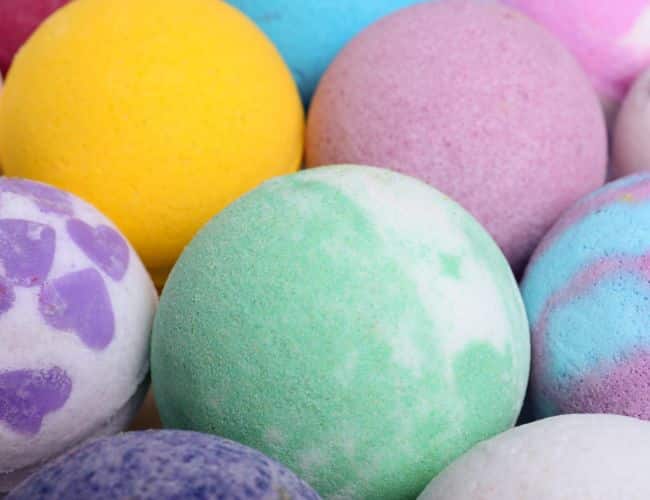
Bath bombs for kids are more than just a trend; they’re a blend of fun, science, and a bit of spa-like luxury for the little ones.
Typically, these delightful balls are made of ingredients like baking soda, citric acid, and Epsom salt. This combination is what causes the fizzy reaction when a bath bomb hits the water. It’s like a mini science experiment in your tub!
For the extra fun factor, many bath bombs for toddlers and older children include essential oils, fragrances, and sometimes a sparkle of glitter or vibrant dyes.
It’s all about creating an immersive, sensory experience. From bath bombs for boys with cosmic colors to princess-themed fizzies for girls, there’s a bath bomb set for kids of all tastes and interests.
Expert insights
“What exactly are bath bombs made from? Many people and companies have their own recipes, but they often include the same basic ingredients: baking soda, citric acid, and cornstarch. These work together to form the bath bomb and make it fizz in water.”
Wonderopolis, What are bath bombs made from?
General Safety of Bath Bombs for Kids
When it comes to bath bombs for kids, understanding what they’re made of and how they interact with water is key to making sure their bath times are safe and fun.
Typically, bath bombs contain a mix of baking soda and citric acid, which react with water to create that fun fizzing effect.
Understanding the Risks
Despite their fun appearance, bath bombs can have potential downsides, especially for children’s sensitive skin:
- Skin Sensitivity and Irritants:
- Even natural ingredients in bath bombs can sometimes trigger skin sensitivity in kids, causing dryness or itching.
- Leah Zerbe, Senior Editor at Dr Axe says that common culprits include fragrances, which range from sweet vanilla to cotton candy scents, often appealing to kids but potentially irritating.
- Dyes and Skin Sensitivity:
- Dr Dany P. Baby says that the dyes used to color bath bombs, whether natural or synthetic, might irritate sensitive areas of the body.
- Potential Harmful Additives:
- Certain additives like glitter can be abrasive to sensitive skin, leading to irritation or redness.
- Smaller bath bombs might be more concentrated, increasing the risk of skin reactions.
Balancing Enjoyment with Safety
So really, while bath bombs can make bath time more exciting, you need to use them with caution.
Not every child will react negatively to bath bombs, but it’s important to be aware of the potential for skin irritation, especially if they have underlying skin conditions like eczema.
Practical Tips for Safe Use:
- Patch Test:
- Before fully immersing in a bath bomb bath, try a patch test on your child’s arm to check for any immediate skin reaction.
- If irritation or a rash develops after using a bath bomb, it’s best to avoid further use and consult a healthcare professional if the irritation persists.
- Simpler Baths:
- Sometimes, the safest option for sensitive skin is a bath with just warm water, free from any additives.
Expert insights
“I often advise parents to be mindful when it comes to bath bombs for their children. While they’re a fun addition to bath time, it’s important to remember that a child’s skin is more sensitive and more prone to irritation. My top tip is to always opt for bath bombs specifically designed for children, which are usually formulated with milder and fewer ingredients.”
Grace Harries-Wright, Cosmetologist/Dermatologist

How to Choose Safe Bath Bombs for Kids
Picking the right bath bombs for your little ones doesn’t have to be a daunting task.
With a few simple guidelines, you can ensure that their bath time is not only fun but also safe. Here’s what to keep in mind when selecting bath bombs for kids:
1. Understand the Ingredients:
Look for Natural and Mild Ingredients: Choose bath bombs that are made with natural, gentle ingredients. Avoid products with a long list of unrecognizable chemicals.
Be Cautious of Fragrances and Dyes: While they make bath bombs appealing, some fragrances and dyes can be harsh on delicate skin. Opt for products with natural or organic scents, and food-grade, skin-safe dyes.
2. Avoid Harsh Chemicals:
- Steer Clear of Sulfates and Parabens: These can be irritating to sensitive skin and are best avoided in children’s bath products.
- Check for Allergens: If your child has known skin allergies, scrutinize the ingredient list to ensure the bath bomb is free from potential allergens.
3. Choose Age-Appropriate Products:
Special Formulations for Younger Kids: Bath bombs for toddlers and younger children should be even milder. Look for products specifically marketed for this age group.
4. Read Reviews and Recommendations:
Check out reviews from other parents: Their experiences can give you valuable insights into how a particular bath bomb performs in real-world scenarios.
5. Conduct a Patch Test:
Test Before the Full Bath: Before letting your child soak in a bath bomb bath, do a patch test. Rub a small piece of the bath bomb on their arm and wait for 24 hours to see if there’s any adverse reaction like redness or irritation.
By following these guidelines, you can confidently choose bath bombs that are safe and enjoyable for your kids.
It’s all about finding that perfect balance between fun and safety, ensuring those giggles in the tub come with peace of mind.

Looking for the Best Bath Bombs for Your Kids?
While ensuring safety is paramount, we also know the joy and excitement that the right bath bomb can bring to your little ones.
That’s why we’ve compiled a list of the 5 Best Bath Bombs for Kids – each carefully selected for its fun factor, safety, and skin-friendly ingredients.
Check out our top picks, providing detailed reviews and insights to help you choose the perfect bath bomb that promises both fun and safety for your child’s bath time.
From galaxy-themed fizzies to eco-friendly options, we’ve got choices that will make every splash a delight!
DIY Bath Bombs: A Safe Alternative?
When it comes to ensuring the safety and suitability of bath bombs for your little ones, sometimes the best approach is to make them yourself.
DIY bath bombs can be a fun, educational, and rewarding activity to do with kids. Plus, you have the added benefit of knowing exactly what’s going into them, making them a safer alternative for sensitive skin.
Why Consider DIY Bath Bombs?
- Control over Ingredients: You choose what goes into your bath bombs, avoiding any allergens or harsh chemicals.
- Customization: Tailor scents, colors, and shapes to your child’s preferences.
- Educational Fun: Making bath bombs can be a great way to teach kids about measurements, chemistry, and creativity.
Kid-Friendly DIY Bath Bomb Recipe

Ingredients:
- 1 cup baking soda
- 1/2 cup citric acid
- 1/2 cup Epsom salt
- 1/2 cup cornstarch
- 2 tsp almond oil or coconut oil
- 3-4 tsp water
- A few drops of essential oil (like lavender or chamomile for a calming scent)
- Natural food coloring (optional)
- Silicone molds or cupcake liners
Instructions:
- Mix Dry Ingredients: In a large bowl, combine baking soda, citric acid, Epsom salt, and cornstarch. Stir well to remove any clumps.
- Combine Wet Ingredients: In a separate bowl, mix the almond or coconut oil, water, essential oil, and food coloring.
- Combine Wet and Dry: Slowly add the wet mixture to the dry ingredients, stirring constantly. The mixture should hold together when squeezed without crumbling.
- Mold the Bath Bombs: Pack the mixture tightly into your molds or cupcake liners. Use fun shapes to make it more exciting for kids.
- Let Them Dry: Leave the bath bombs to dry in a cool, dry place for at least 24 hours.
- Enjoy Bath Time: Once dry, remove the bath bombs from the molds and they’re ready to use.
Tips for Success:
- Go slow with adding the wet ingredients to prevent the mixture from fizzing up.
- Get creative with the molds – this is where kids can really have fun!
- Always supervise children when using essential oils and during the bath bomb-making process.
DIY bath bombs are not only a safer option but also a fantastic way to bond with your kids while creating something fun and useful. Give it a try and watch their faces light up with the bath bombs they’ve made themselves!
Supervision and Safety Tips
Bath time with bath bombs can be a blast, but safety always comes first. Here are some essential tips to ensure your child has a safe and fun experience:
Adult Supervision:
- Never leave a child unattended in the bath, even for a moment. Accidents can happen quickly, so constant supervision is crucial.
Check Water Temperature:
- Before adding a bath bomb, ensure the water is at a safe temperature for your child. It should be warm, not hot, to prevent burns.
Rinse After Bathing:
- After using a bath bomb, it’s a good idea to rinse your child off with clean water. This helps remove any residual ingredients that may irritate the skin.
Limit Bath Time:
- Long soaks, especially with bath bombs, can dry out young skin. Keep bath time to a reasonable length to maintain skin health.
Bath Bomb Size:
- For smaller children, consider using half a bath bomb to reduce the concentration of ingredients in the water.
Check for Slippage:
- Some bath bombs can make the tub slippery. Always check and rinse the tub to prevent slips and falls.
Allergies and Sensitivities:
- If your child has known allergies or skin sensitivities, always check the ingredients of bath bombs before use.
Remember, while bath bombs add excitement to bath time, keeping it safe and enjoyable is the top priority.
The Last Pop
In wrapping up our fizzy journey through the world of bath bombs for kids, let’s recap the bubbles of wisdom we’ve gathered:
- Safety First: Bath bombs can be a fun addition to your child’s bath routine, but safety should always be your primary concern. Opt for products specifically designed for children and always supervise bath time.
- Ingredient Awareness: Be mindful of the ingredients in bath bombs. Choose those with natural, gentle components, especially if your child has sensitive skin.
- DIY Option: Making your own bath bombs can be a safe and fun activity, giving you control over what your child is exposed to.
- Fun with Caution: While bath bombs bring joy and excitement, it’s crucial to follow safety guidelines to ensure a positive experience.
By making informed choices and prioritizing safety, you can ensure that bath time remains a delightful and secure ritual for your little ones. Here’s to many more bubbly adventures in the tub!
Discovered the perfect kids bath bomb? Tell us about it! Tag us on Instagram @heyfizzywizz or share your relaxing moments on our Facebook page. Join our community and exchange your favorite bath time rituals with fellow enthusiasts. Fancy making your own bath bombs? It’s easy! Check out our DIY Bath Bomb Recipes!

Our Research & Review Process
At Fizzy Wizz, we’re dedicated to ensuring that our recommendations for bath bombs are thorough, reliable, and genuinely useful. To achieve this, we’ve established a comprehensive research and review process.
We delve into the science behind bath bombs, citing evidence from cosmetic and dermatological studies. We gather real user reviews and seek unbiased insights from experts in skincare and aromatherapy, as well as from everyday bath bomb enthusiasts.
Our hands-on testing is at the core of our process. We personally try out a wide range of bath bombs, assessing them on various criteria such as scent intensity, skin compatibility, ingredient quality, and fizziness. We test these bath bombs in different water types and bathroom environments to ensure a well-rounded review.
This meticulous approach enables us to provide you with honest, insightful, and practical information about which bath bombs truly deliver on their promises.
Remember, everyone’s skin and preferences are different, so we always recommend patch testing new products if you have sensitive skin.

